Is 8/32 Tire Tread Good? Safety, Life, and More
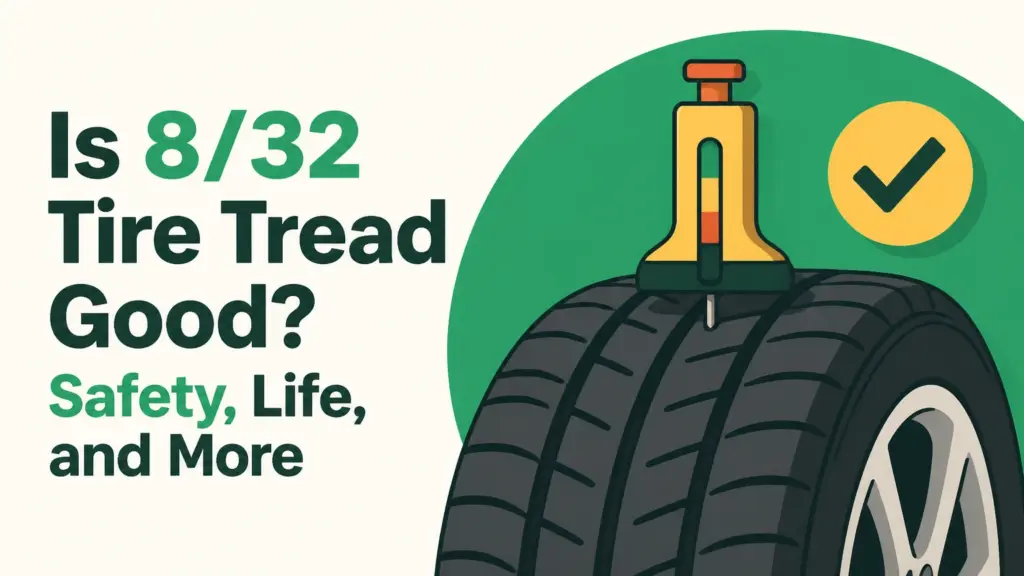
Yes, 8/32-inch tire tread is generally very good for a passenger vehicle and is well above the common 2/32-inch legal replacement threshold in the United States. A tire measuring 8/32 inch usually has substantial usable tread remaining, but safety also depends on age, cracking, punctures, inflation, alignment, tire type, and whether all grooves measure similarly. […]
Should I Replace Tires at 5/32? A Weather-Based Decision Guide
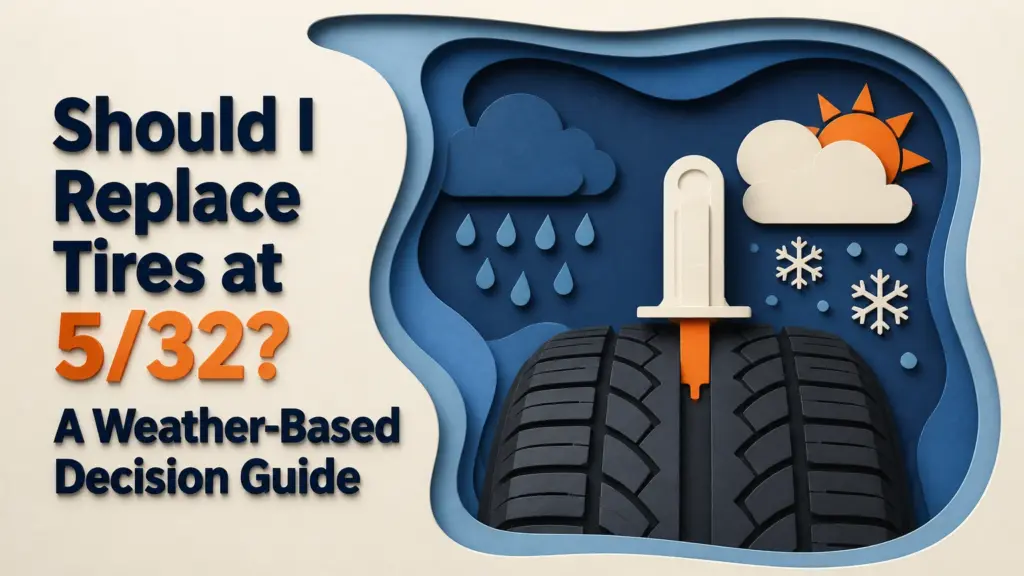
You do not automatically need to replace tires at 5/32-inch tread, but 5/32 is a planning threshold rather than a universal safety guarantee. Replace them before winter, frequent heavy rain, or a long highway trip; in a dry climate, tires with even wear, sound rubber, and adequate age can usually be monitored while you arrange […]
What Is New Tire Tread Depth? A Practical Safety Guide
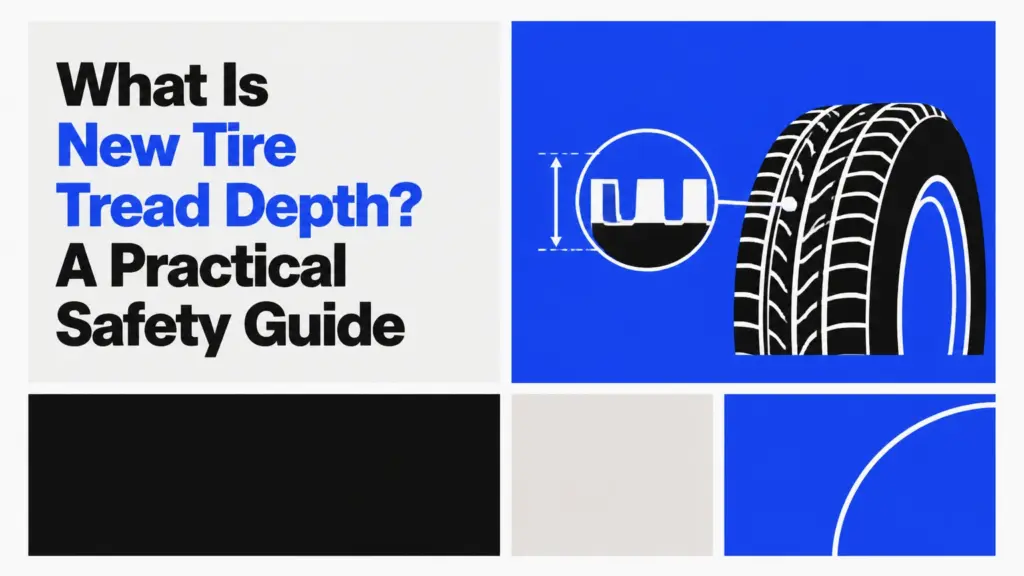
New tire tread depth is typically 10/32 to 11/32 inch, or about 8.0 to 8.7 mm, for standard passenger-car all-season tires. Performance tires may begin near 8/32 to 10/32 inch, while winter, all-terrain, and mud-terrain tires commonly start between 11/32 and 19/32 inch. The exact value is molded into the tire design and should be […]
What Does 2 32 Tire Tread Look Like? See the Wear Bars
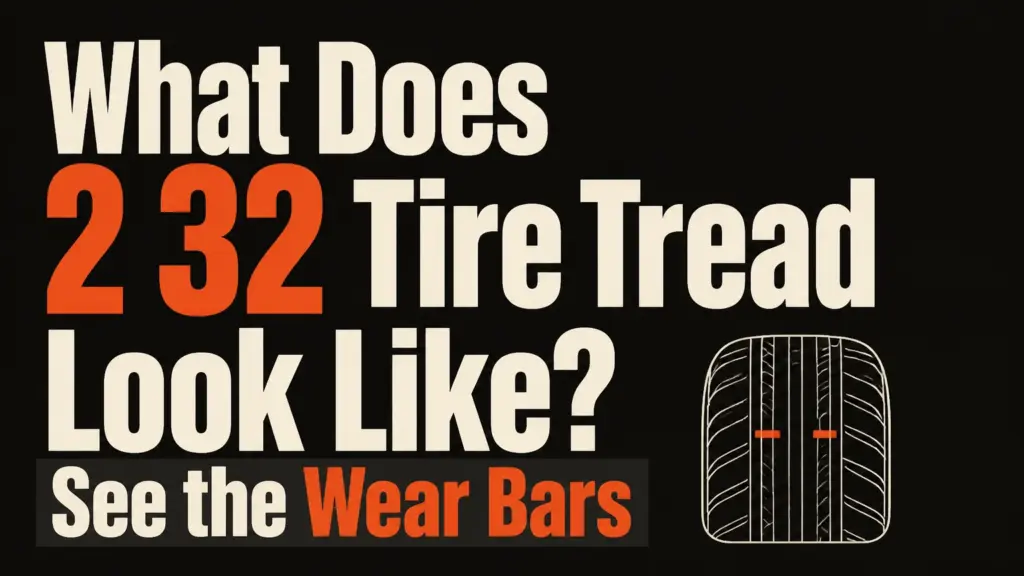
A tire with 2/32-inch tread looks nearly smooth, with shallow grooves and tread blocks worn level with the molded wear bars. The tire may still show pattern lines, but the main channels have little usable depth. In the United States, 2/32 inch, approximately 1.6 mm, is commonly treated as the legal minimum, not a safe […]
How to Tell if Tire Tread Is Low: 4 Easy Checks
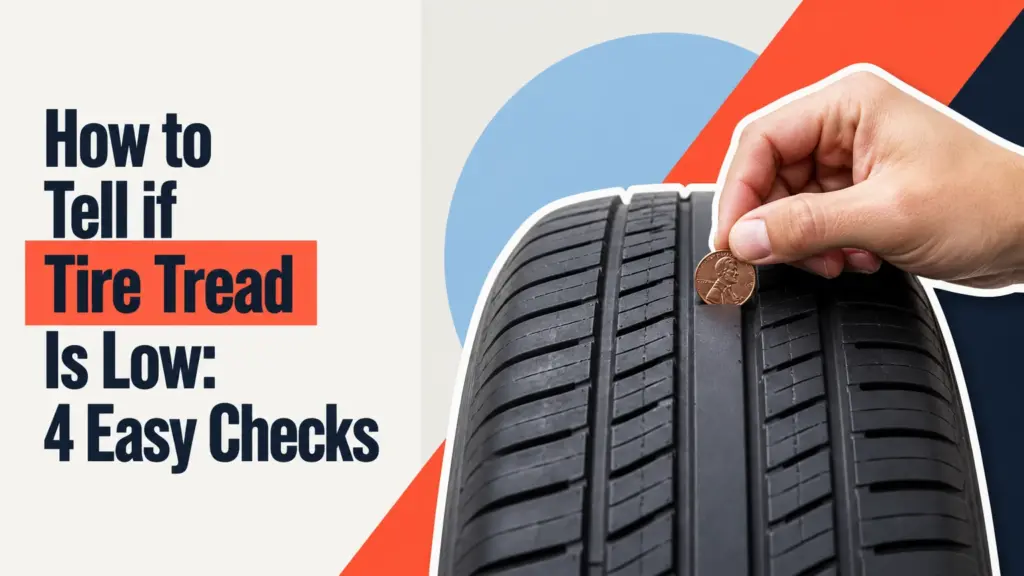
To tell if tire tread is low, inspect the tread-wear bars, perform a penny or quarter test, and measure several grooves with a tread-depth gauge. Replace a tire at or below 2/32 inch where applicable, but plan replacement sooner at 4/32 inch for wet roads and around 5/32-6/32 inches for winter traction. Key Facts at […]
How to Read Tire Date Code and Know Tire Age

To read a tire date code, find the DOT Tire Identification Number on the sidewall and interpret its final four digits as week and year. For example, 2423 means the tire was manufactured in the 24th week of 2023. The complete date code may appear only on one sidewall, so inspect both sides. Key Facts […]
How Many Years a Tire Can Last: 3-6 Years Explained
A passenger-car tire generally lasts 3-6 years in service, although mileage, climate, tire design, maintenance, and storage can shorten or extend that range. Tire manufacturers commonly recommend replacing a tire at 10 years from its manufacturing date at the latest, regardless of remaining tread, while visible damage or unsafe tread can require earlier replacement. Key […]
How Thick Are Tires? The Measurements That Matter
Tire thickness is not one universal measurement. A new passenger-car tire usually has 8-11 mm of usable tread depth, while sidewall height commonly measures about 90-140 mm and depends on the tire’s aspect ratio; the internal casing has no single consumer-standard thickness. Tire type, size, load rating, and construction change every figure. Key Facts at […]
How Many Miles Before Tire Change? Safe Replacement Guide
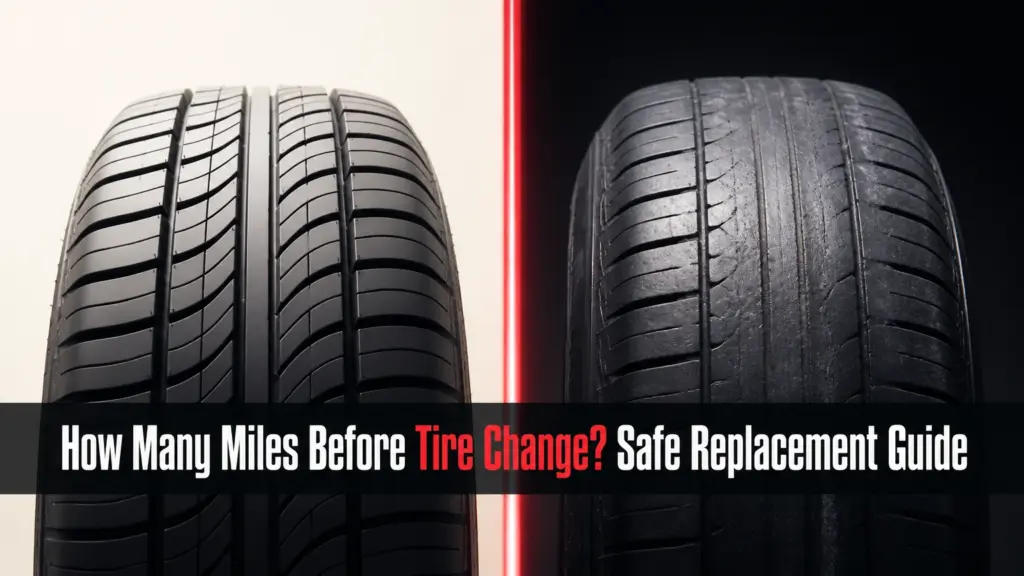
Most passenger tires should be inspected for replacement around 40,000-60,000 miles, but mileage is only an estimate. Replace a tire sooner when tread reaches 2/32 inch, structural damage appears, or the tire’s age and condition exceed the manufacturer’s guidance. Tire type, inflation, alignment, climate, driving style, and vehicle load can move the replacement point substantially. […]
Is 3/32 Tire Tread Safe? Wet-Weather Guide
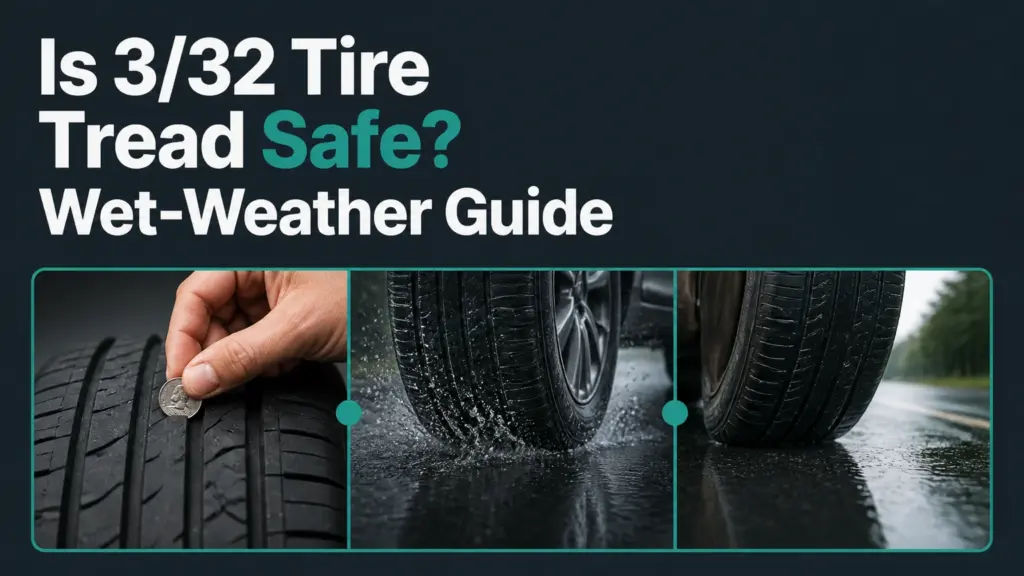
A tire with 3/32-inch tread is generally not a safe long-term choice, especially for rain, highway speeds, or snow. Although 3/32 inch is above the common 2/32-inch replacement limit for passenger tires in the United States, the tire has little reserve for water evacuation, winter traction, uneven wear, or sudden weather changes. Key Facts at […]