How to Read Tire Size in Inches
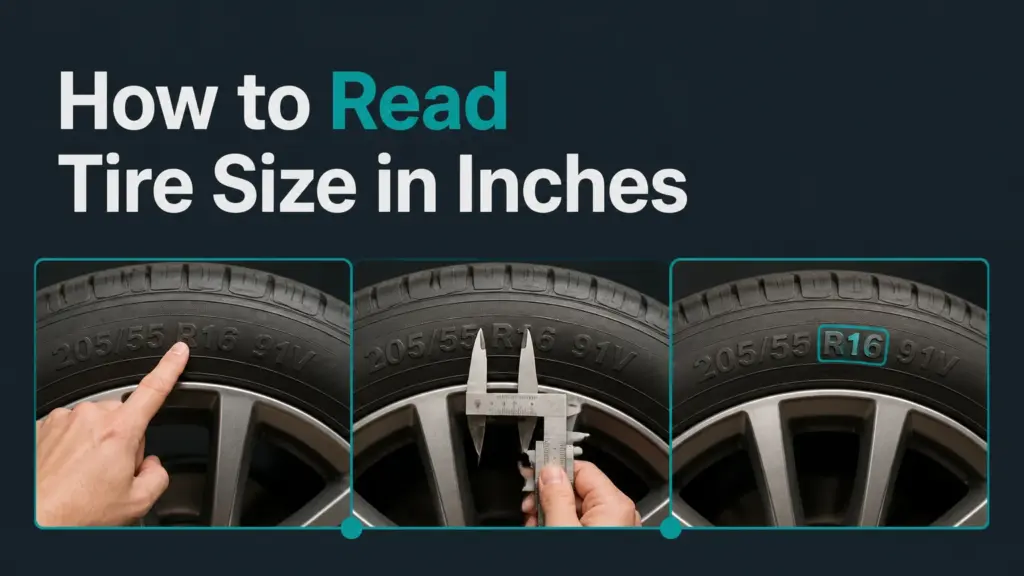
To learn how to read tire size in inches, identify the numbers in a format such as 33×12.50R17. The first number is the tire’s nominal overall diameter, the second is its nominal section width, the letter identifies construction, and the final number is the required wheel diameter. How Does Inch-Based Tire Sizing Work? Inch-based tire […]
When Driving in Cold Weather, Your Tire Tread Should Be Deep
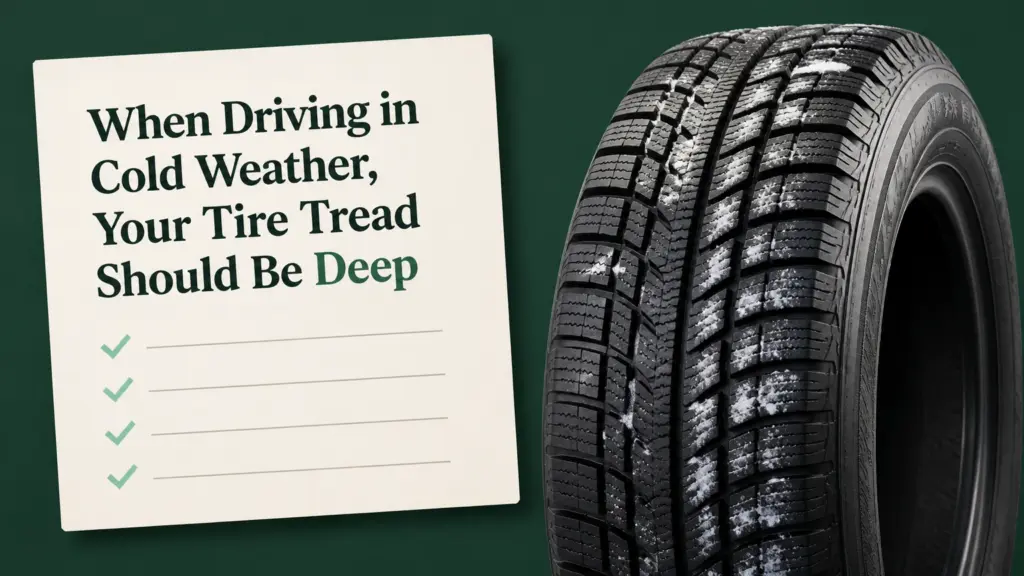
When driving in cold weather, your tire tread should ideally measure at least 6/32 inch for frequent snow and slush, with replacement considered near 5/32 inch. A tire at 4/32 inch has reduced wet and winter capability, while 2/32 inch is only the minimum wear limit and is unsuitable for dependable winter traction. Key Facts […]
Where to Find Date Code on Tires
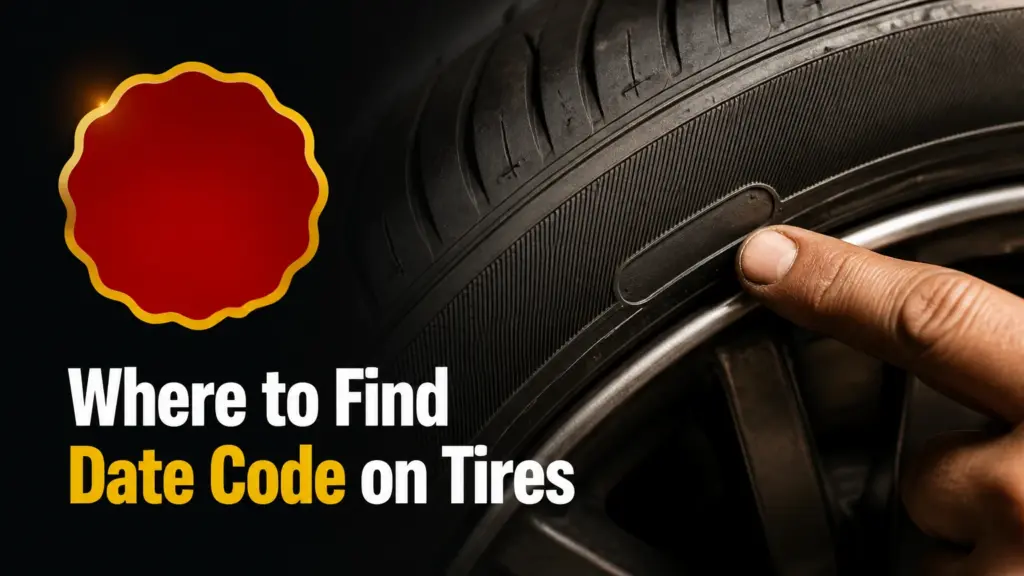
To find the date code on tires, inspect the sidewall for a marking that begins with DOT, then locate the final four digits of the complete Tire Identification Number. Those digits may face outward or appear only on the inner sidewall, and they identify the tire’s manufacturing week and year. Key Facts at a Glance […]
Does the Load Index on a Tire Matter?
Yes, the load index on a tire matters because it identifies how much weight one properly inflated tire is designed to support under specified operating conditions. Replacement tires should meet or exceed the vehicle manufacturer’s required load index; using an inadequate rating can generate excessive heat, damage the tire, reduce handling stability, and increase failure […]
How Does Tire Sizing Work?
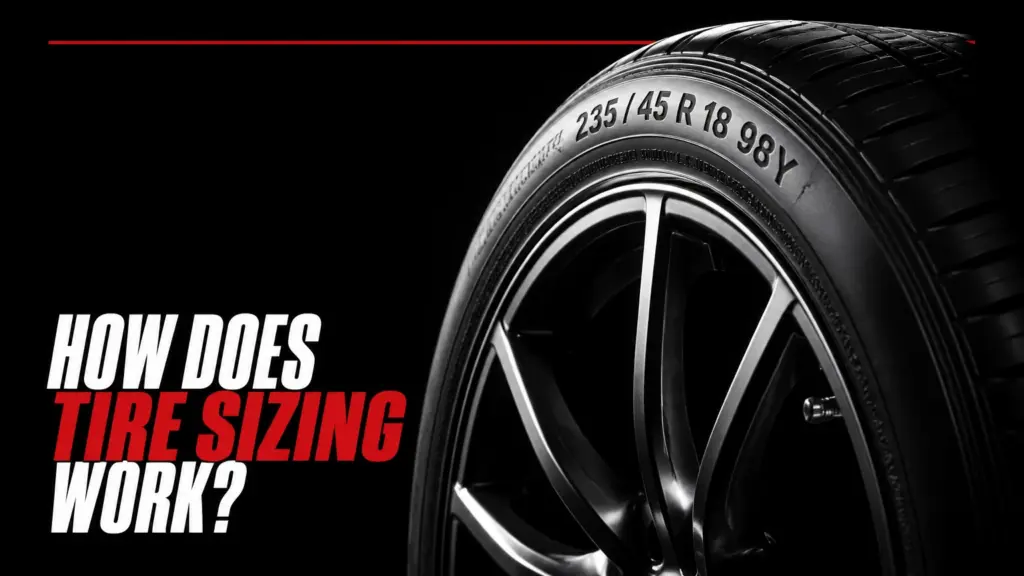
Tire sizing works through a standardized sidewall code that identifies a tire’s width, sidewall proportion, construction, wheel diameter, load capacity, and speed capability. In a size such as P225/45R17 91V, each number or letter describes a specific physical or performance requirement that must match the vehicle and wheel. Key Facts at a Glance How Does […]
How to Read a Tire Sidewall
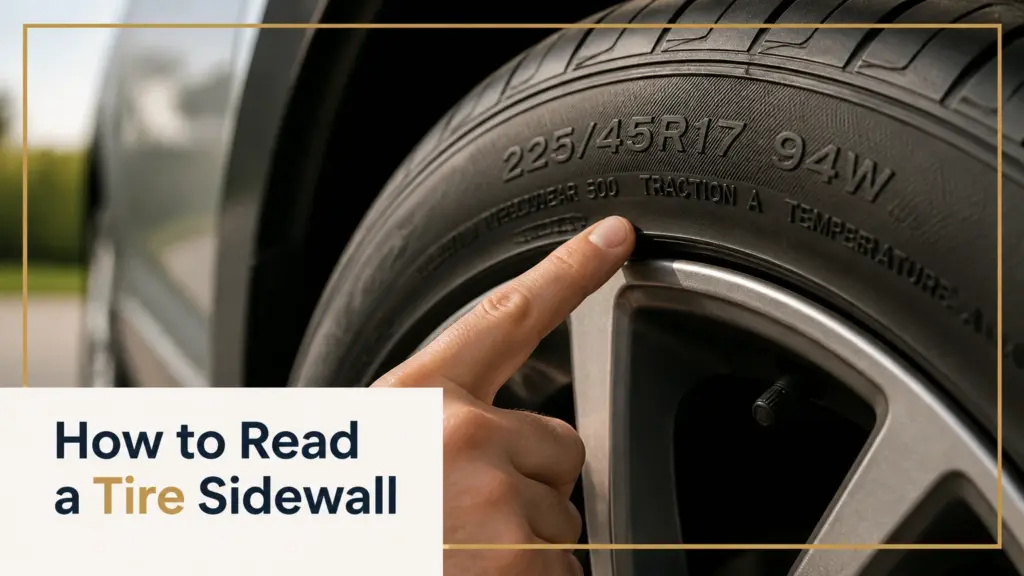
To learn how to read a tire sidewall, start with the large size code, such as P225/45R17 91V, then inspect the DOT date, load and pressure limits, weather symbols, construction labels, and mounting instructions. A complete check takes about five minutes and helps confirm fitment, age, capability, and safe replacement specifications. Before You Start Reading […]
When to Change Tire: Complete Safety Guide
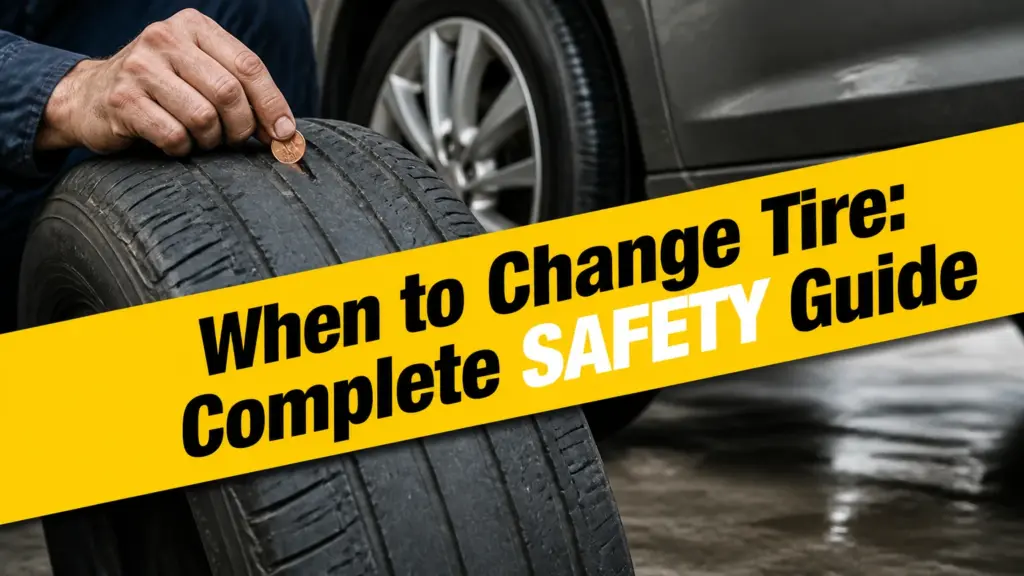
You should change a tire when its tread reaches 2/32 inch, when wear bars become level with the tread, or when the tire has a bulge, exposed cords, deep cracking, internal damage, or an unrepairable puncture. For safer wet-road performance, begin replacement planning at 4/32 inch rather than waiting for the minimum. When to Change […]
When to Replace Auto Tires: A Complete Safety Guide
You should replace auto tires when tread reaches 2/32 inch, structural damage appears, the tire develops unsafe cracking or exposed cords, or age makes continued service questionable. Replacement may be advisable earlier, around 4/32 inch for frequent rain or 5/32-6/32 inch for winter conditions, because legal tread depth is not always a safe performance target. […]
How to Find Speed Rating on Tires
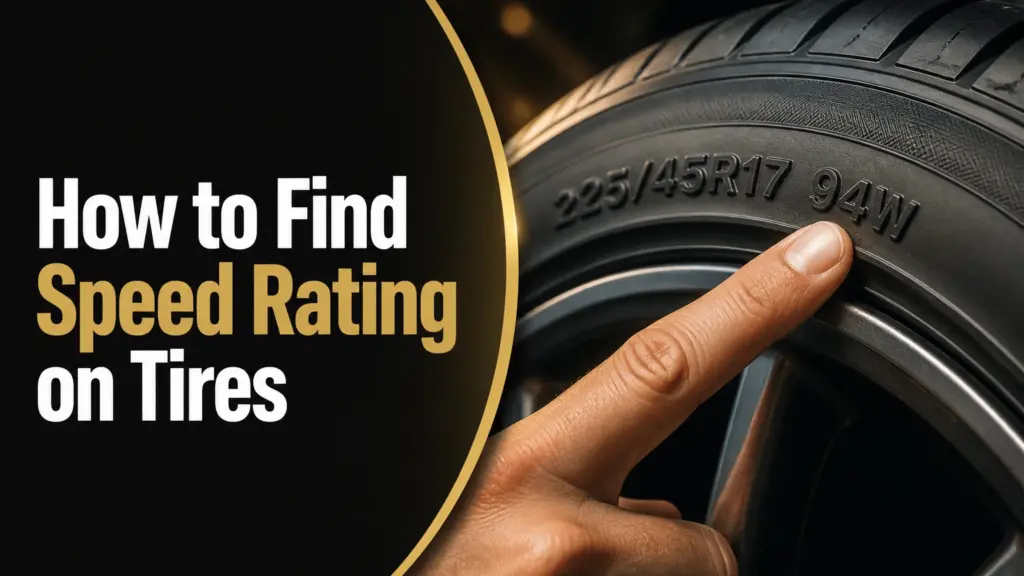
To learn how to find speed rating on tires, locate the tire-size code molded into the sidewall and read the final letter in the service description. In a marking such as 225/45R17 94W, the number 94 is the load index, while W is the tire’s speed rating. Before You Start Finding a tire speed rating […]
What Is Tread Depth? Measurements, Safety and Tire Wear

Tread depth is the vertical distance from the top of a tire’s tread blocks to the bottom of its main grooves. It is normally measured in 32nds of an inch in the United States or millimeters elsewhere, and it helps determine how effectively a tire can evacuate water, grip loose surfaces, and maintain control as […]