Why My Tire Has a Bump
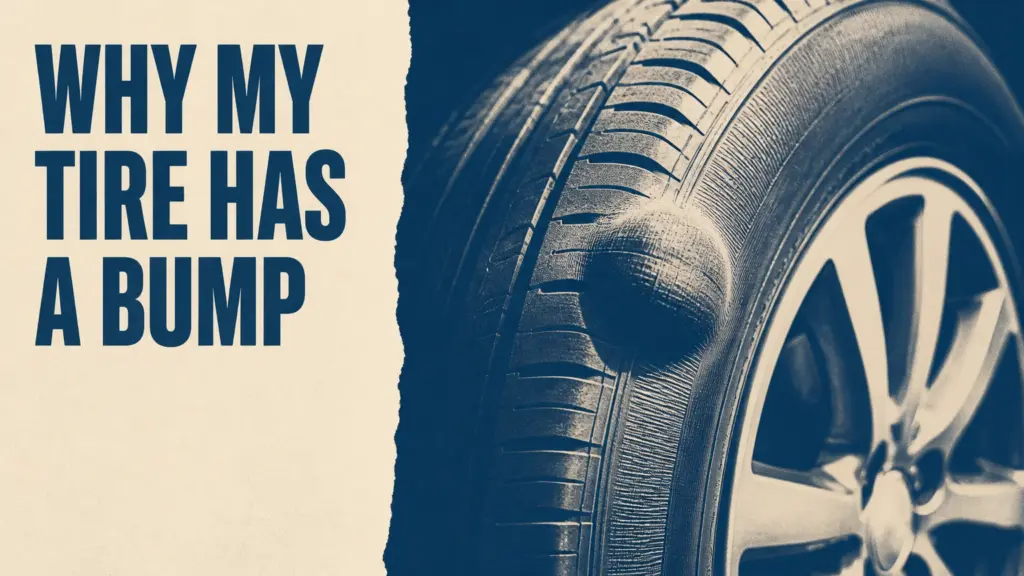
A bump or bubble on a tire indicates that the internal structural cords have ruptured, allowing pressurized air to leak through the inner liner and inflate the outer rubber layer. This damage is structurally irreversible, severely compromises tire integrity, and creates an immediate blowout risk that requires urgent tire replacement. Is It Safe to Drive […]
Why Does My Tire Keep Losing Air Slowly?
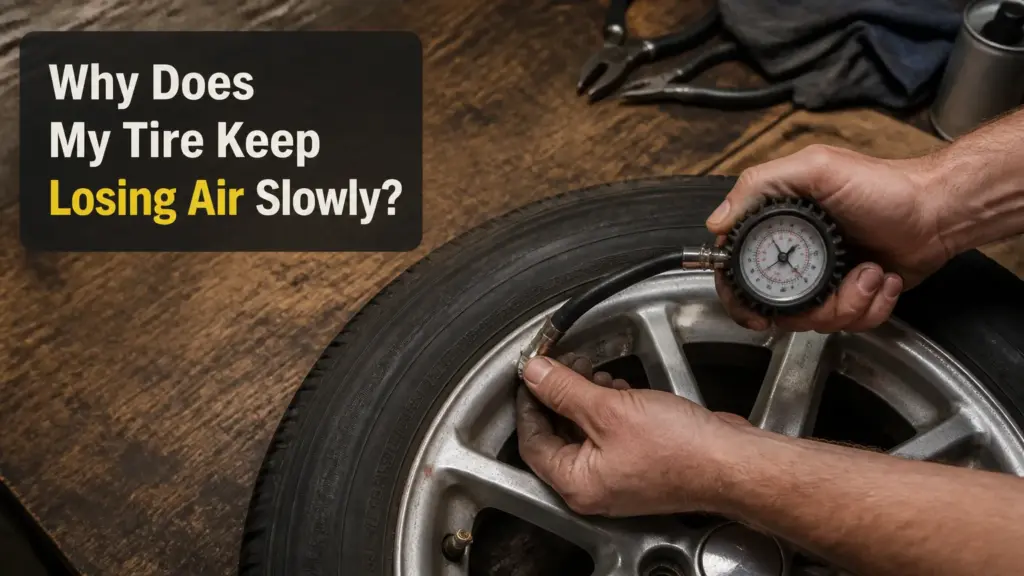
A tire keeps losing air slowly due to microscopic tread punctures, wheel bead corrosion, a faulty valve core, or natural rubber permeation. While natural permeation releases 1 to 1.5 PSI per month, any air loss exceeding 1 PSI per week indicates a mechanical flaw requiring repair. At a Glance What Is Normal Tire Pressure Loss […]
Why Is My Tire Losing Air But Has No Hole?
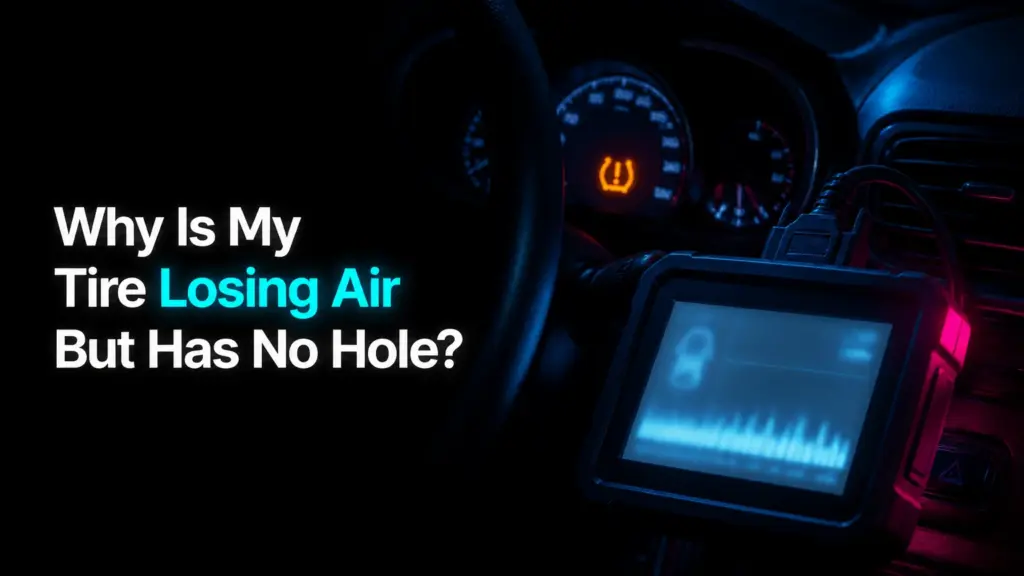
A tire losing air without a visible puncture is usually leaking through a corroded wheel bead, a degraded valve stem assembly, a cracked or porous alloy rim, or natural rubber permeation accelerated by temperature drops. While a nail creates a visible tread hole, non-puncture air loss occurs at the mounting seals, metal structures, or valve […]
How to Fix a Tire That Keeps Losing Air
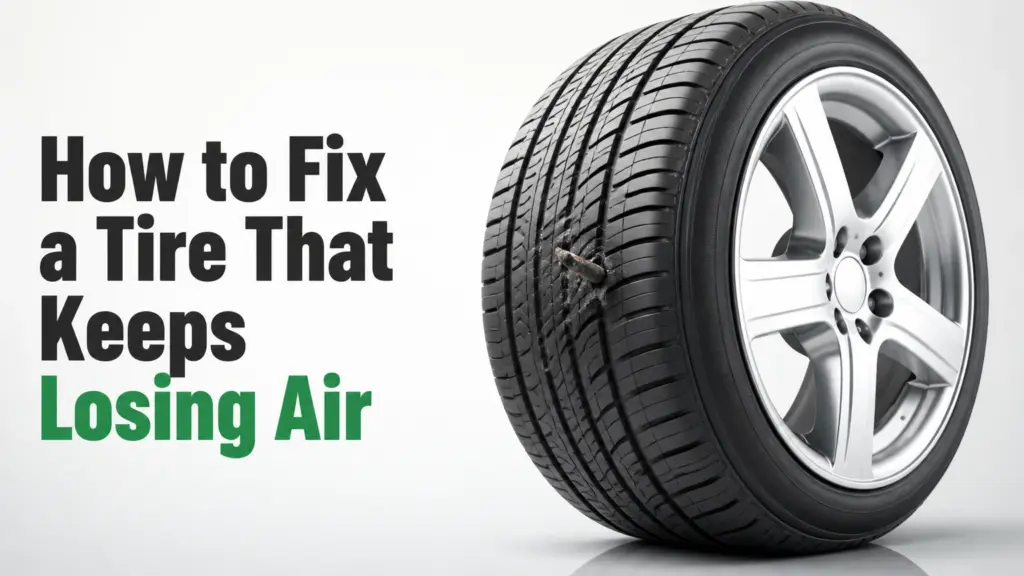
Fixing a tire that keeps losing air requires isolating the leak source across the tread, valve stem, or rim bead, then applying a site-specific repair. By performing a systematic bubble test, reaming the puncture channel, and seating a vulcanizing rubber plug or tightening the valve core, you can permanently stop slow leaks in 30 to […]
Why Do I Keep Losing Air in My Tires?
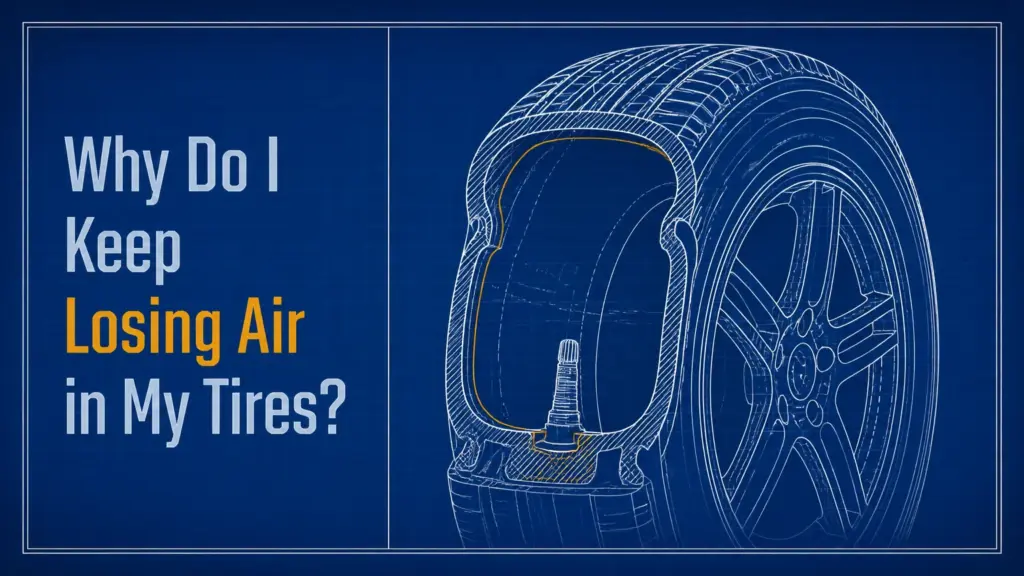
Tires keep losing air due to natural rubber permeation, ambient temperature fluctuations, unseen tread punctures, compromised valve stems, or wheel bead leaks. While healthy tires naturally lose 1 to 1.5 PSI per month through microscopic rubber pores, persistent air loss exceeding 2 PSI monthly indicates a mechanical defect or rim damage. How Much Air Pressure […]
BMW OEM Wheels 20 Inch: The Definitive Technical & Buying Guide
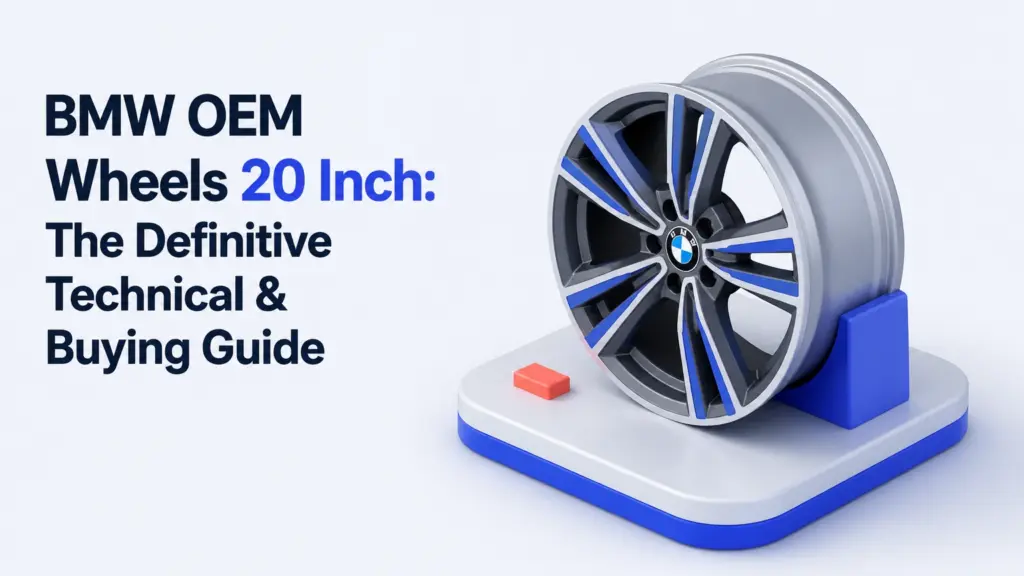
BMW OEM wheels 20 inch are genuine factory-engineered alloy wheels manufactured specifically by or for BMW to match exact vehicle axle load ratings, hub dimensions, and brake system clearances. Available across cast alloy and forged construction methods, 20-inch original equipment wheels optimize ride comfort, unsprung weight, and mechanical dynamics while maintaining full compatibility with factory […]
What is the Downside of Run Flat Tires?
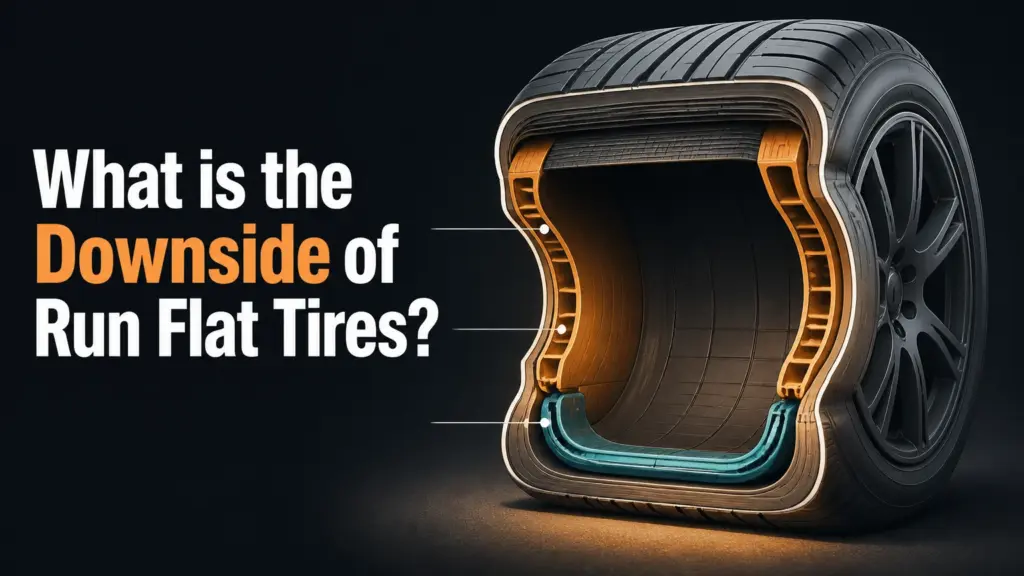
The primary downsides of run-flat tires (RFTs) are higher replacement costs, a harsher ride quality, accelerated tread wear, and strict repair limitations. Because run-flat tires rely on rigid, reinforced sidewalls to support vehicle weight during air loss, they cost 30% to 50% more than standard tires, wear out up to 30% faster, and are frequently […]
How to Check If a Tire Is Run Flat: A Step-by-Step Verification Guide
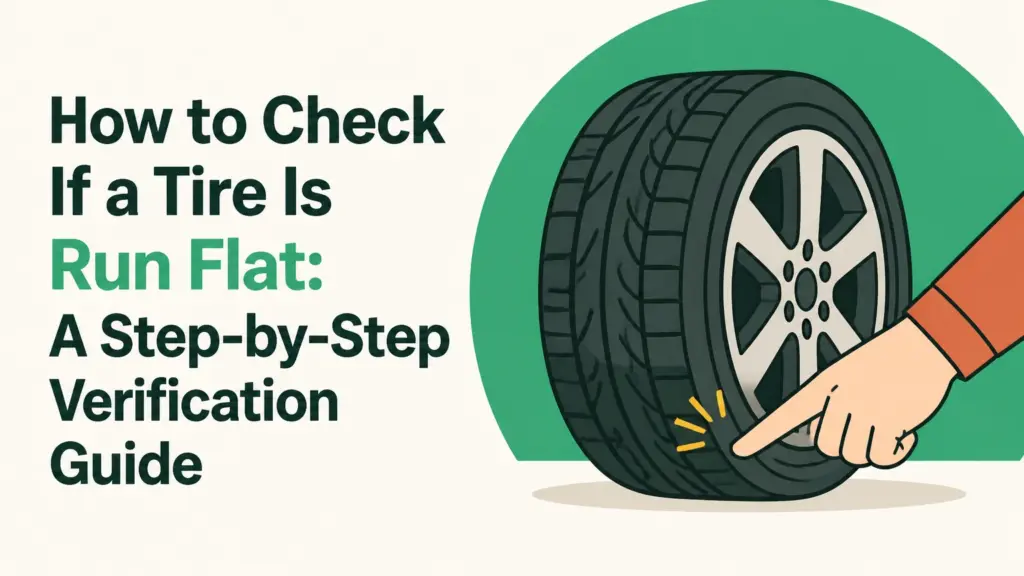
To check if a tire is a run-flat tire (RFT), inspect the outer sidewall for specific manufacturer acronyms like RFT, SSR, ZP, or ROF, or locate the universal ISO run-flat symbol near the tire bead. You can verify all four tires in 5 to 10 minutes using basic cleaning supplies and a flashlight with zero […]
How to Know if a Tire is Run Flat Continental
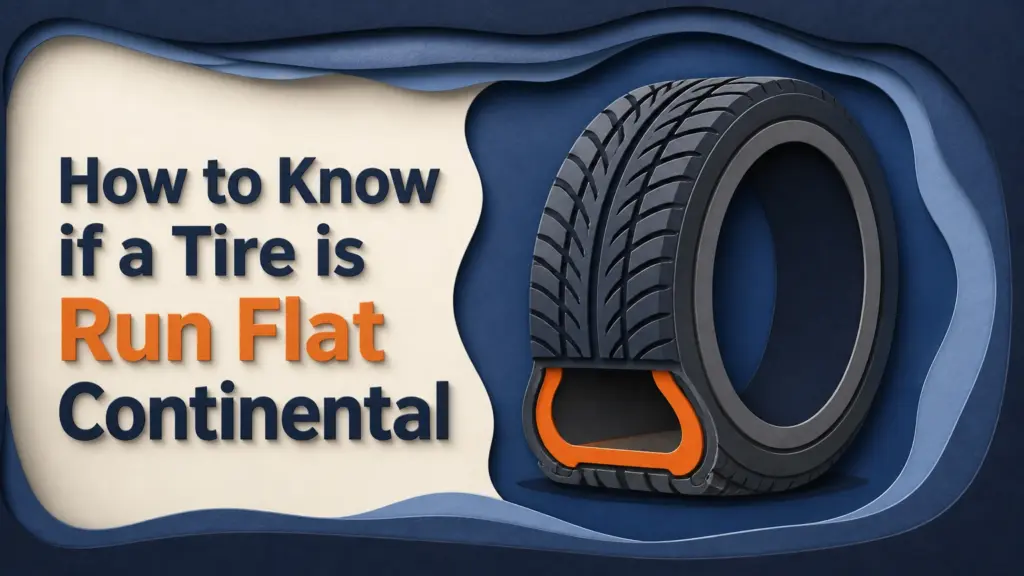
Determining if your Continental tire is a run-flat model requires a quick visual inspection of the outer sidewall for specific Continental brand markings. You can complete this check in less than 2 minutes without mechanical tools, jacks, or tire pressure gauges by locating the “SSR” stamp or identifying Continental’s alternative extended mobility codes. 5-Step Process […]
Continental Run Flat Tires BMW: The Complete Engineering & Owner Guide
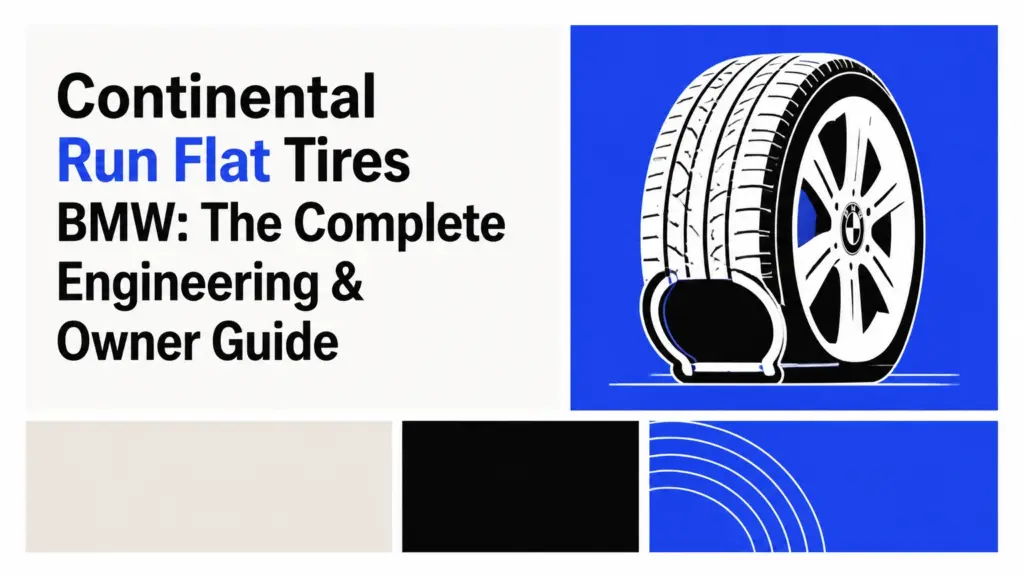
Continental run flat tires for BMW vehicles feature Self-Supporting Runflat (SSR) technology co-engineered with BMW to maintain vehicle stability and drivability for 50 miles at up to 50 mph following a complete loss of inflation pressure. These tires use reinforced, heat-resistant sidewall inserts and specialized bead seats to prevent rim contact and tyre detachment, eliminating […]