Can You Drive Long Distance with a Plugged Tire?
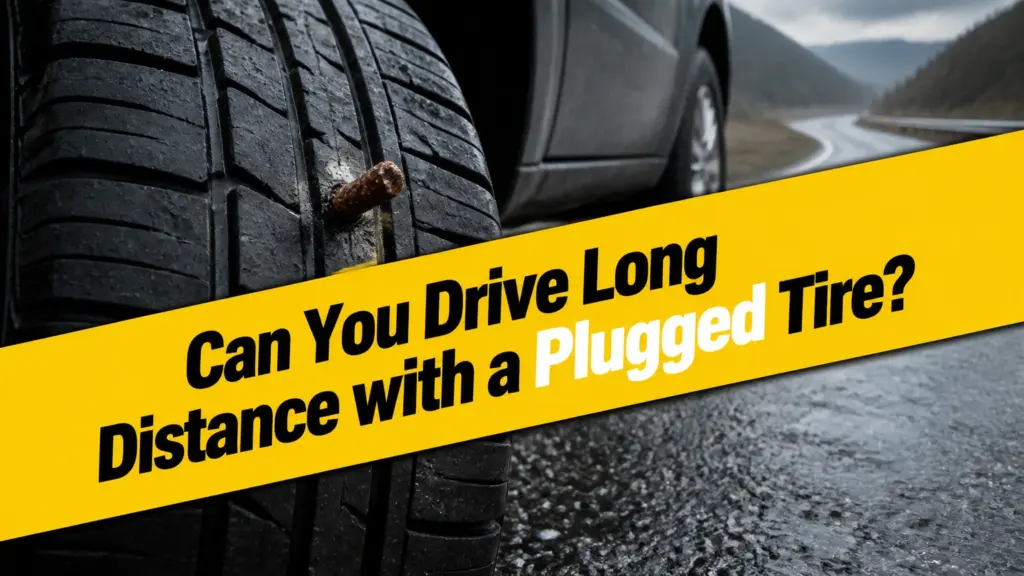
You can safely drive long distances on a plugged tire only if the puncture was repaired from the inside out using a USTMA-approved combination plug-and-patch in the central tread zone. Temporary external string plugs are restricted to emergency use under 50 miles and are unsafe for long-distance highway travel. What Is the Difference Between an […]
How a Tire Plug Works: Mechanics & Safe Limits
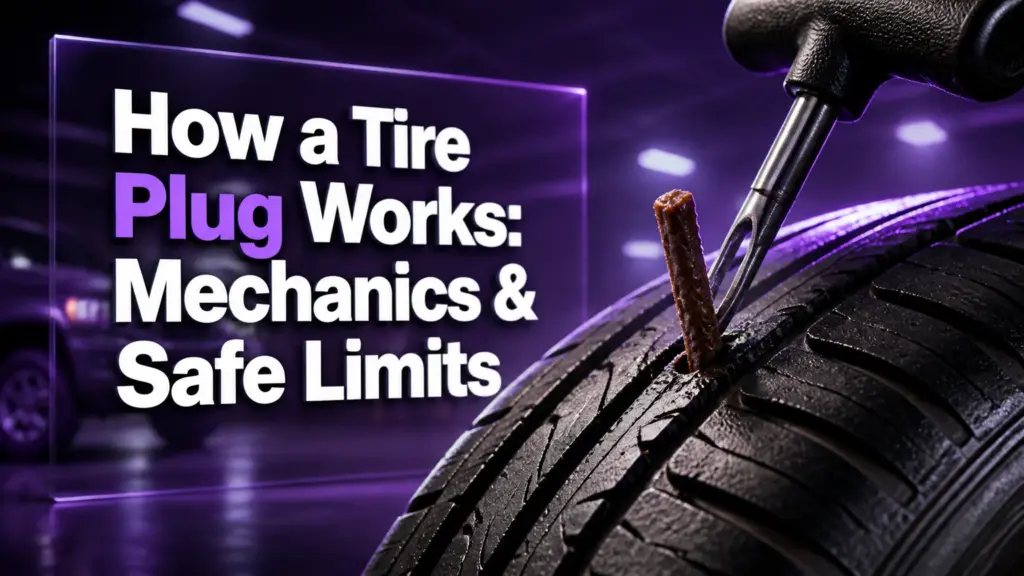
A tire plug works by forcing a sticky, unvulcanized rubber strip into a tread puncture, creating an airtight seal through physical compression and chemical vulcanization. As the vehicle is driven, friction generates heat that cures the plug material, bonding it directly to the tire’s inner rubber and internal steel belts. How Does a Tire Plug […]
Best Time to Check Tire Pressure in Winter
The best time to check your tire pressure in winter is early in the morning before driving the vehicle, or at least three hours after it has been parked in ambient outdoor temperatures. Checking at this time measures true “cold inflation pressure,” preventing friction-generated tire heat and ambient daytime warming from skewing your pressure readings […]
Inflate Tires When Cold or Hot: The Complete Technical Guide
You should always inflate tires when cold because manufacturer specification placards are calculated strictly for Cold Inflation Pressure (CIP). Checking or inflating tires after the vehicle has rested for at least three hours guarantees accurate pressure, optimal contact patch geometry, maximum fuel efficiency, and even tread wear. Key Facts at a Glance What Is the […]
How Fast Does a Tire Lose Air with a Nail?
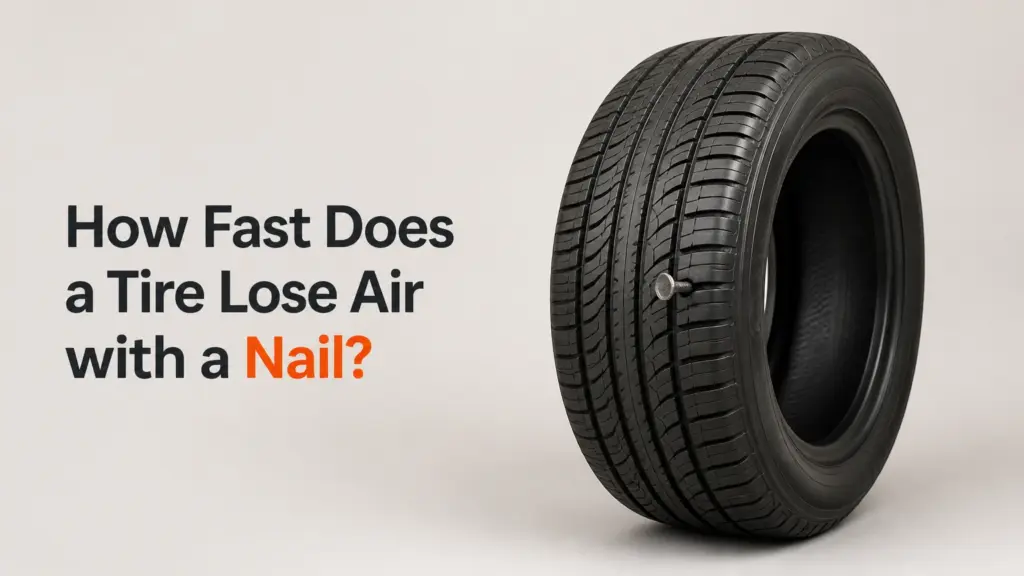
A tire with an embedded nail loses air at rates ranging from a micro-leak of 1 to 3 PSI per week to complete deflation within seconds. In a standard tread puncture, a tire typically loses 1 to 5 PSI per day because the nail acts as an incomplete plug inside the rubber. At a Glance […]
My Car Feels Like It’s Struggling to Accelerate: Causes & Step-by-Step Diagnostic Guide
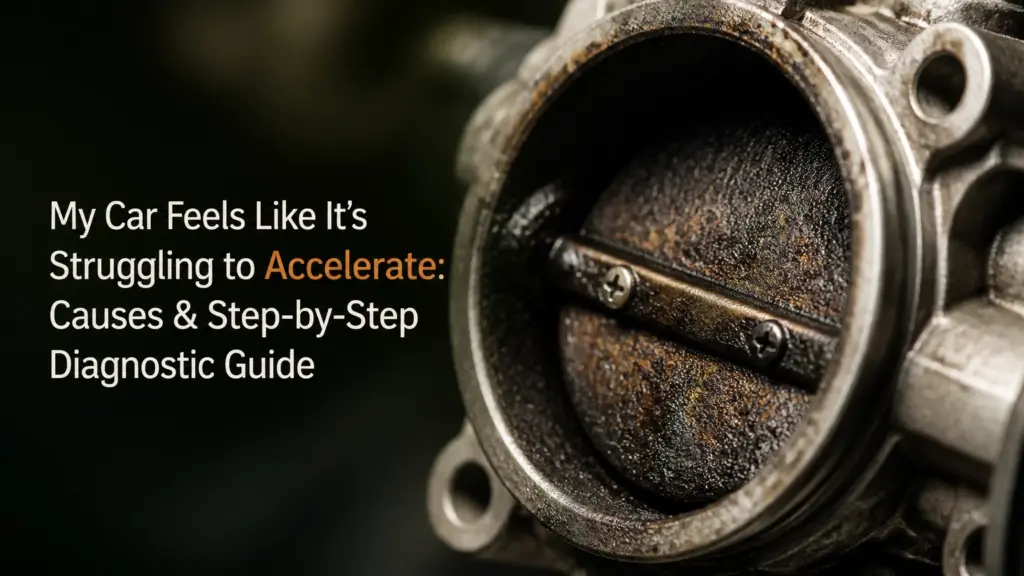
When a car struggles to accelerate, it is suffering from engine power loss, hesitation, or transmission slippage caused by an imbalance in the air, fuel, spark, compression, or exhaust delivery systems. The engine fails to efficiently convert chemical fuel into mechanical torque when you depress the gas pedal. Troubleshooting requires systematic isolation of air intake […]
Why Tires Feel Like They Are Dragging When Turning: Causes & Fixes
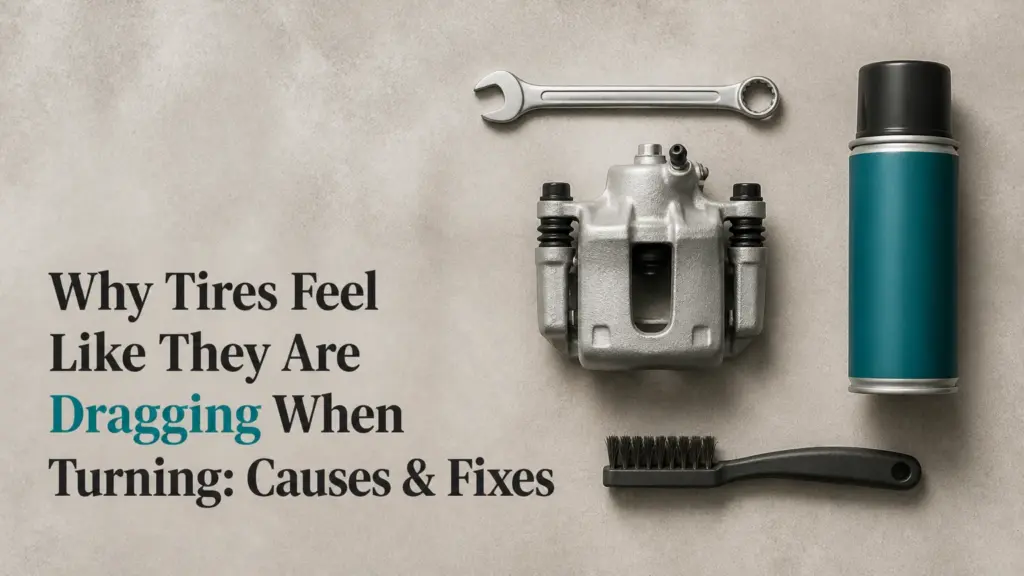
When tires feel like they are dragging, hopping, or plowing when turning, your vehicle is experiencing mechanical binding caused by drivetrain wind-up in 4WD/AWD systems, severe Ackermann steering geometry errors, or a seized brake caliper. This sensation occurs because the mechanical system prevents the wheels from rotating at their required independent speeds, forcing the tires […]
Feels Like My Tire Is Wobbling at Low Speed: Complete Diagnostic and Repair Guide
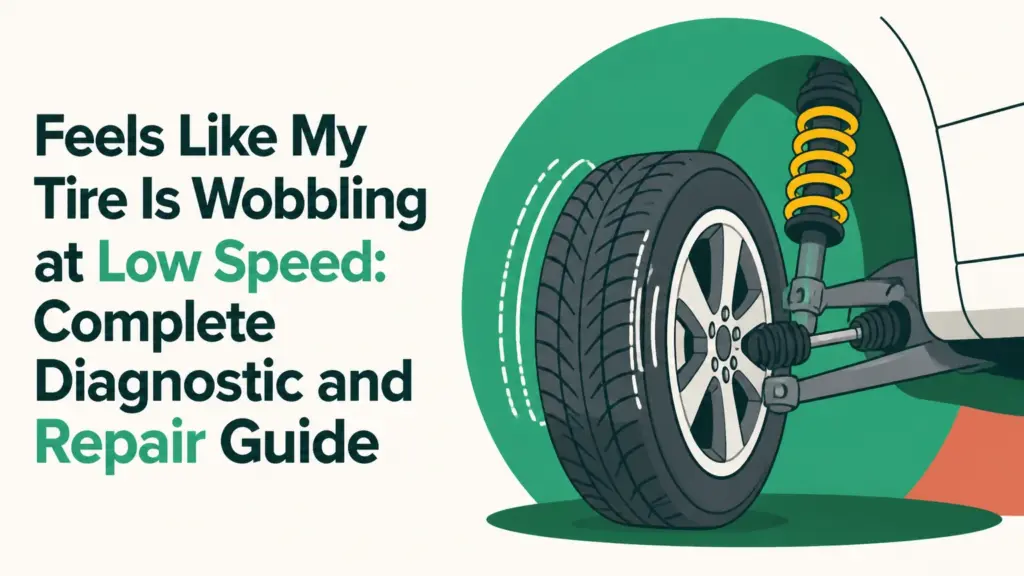
A low-speed tire wobble—typically felt under 30 mph (50 km/h)—is a rhythmic side-to-side oscillation, shaking, or shimmying caused by a structural defect in the wheel assembly or severe play in the steering and suspension components. Unlike high-speed vibrations caused by minor wheel weight imbalances, a low-speed wobble indicates an immediate mechanical or structural failure that […]
Why My Tire Is Wobbling: Causes, Diagnostics, and Fixes
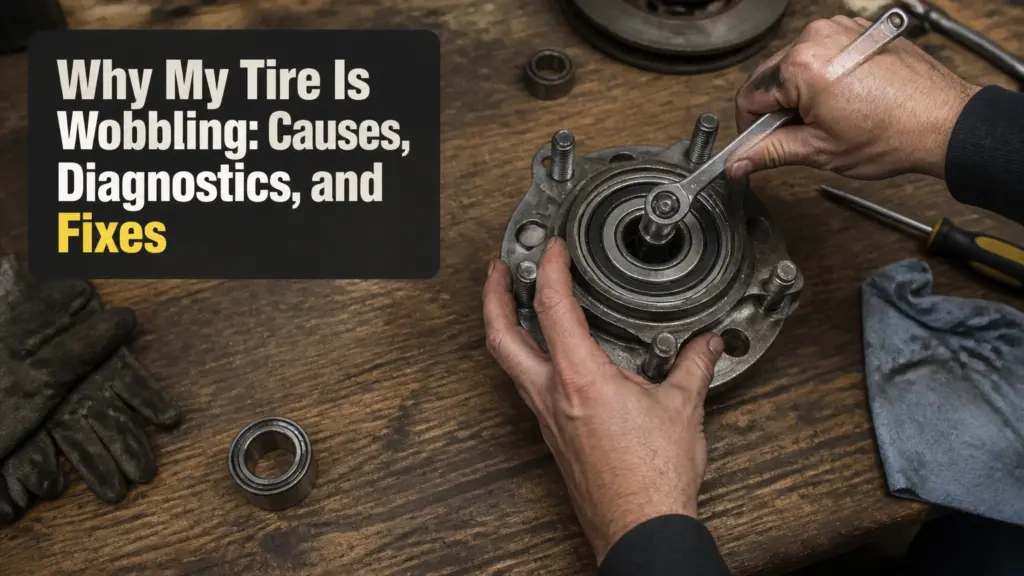
A tire wobbles due to dynamic imbalance, structural belt failure, bent wheel rims, worn suspension components, or loose lug nuts. The root cause usually dictates the pattern: weight discrepancies cause high-speed vibration, broken internal steel belts create a low-speed lateral waddle, and worn wheel bearings produce continuous mechanical looseness. How Do I Tell If the […]
What Causes a Tire to Bubble on the Sidewall
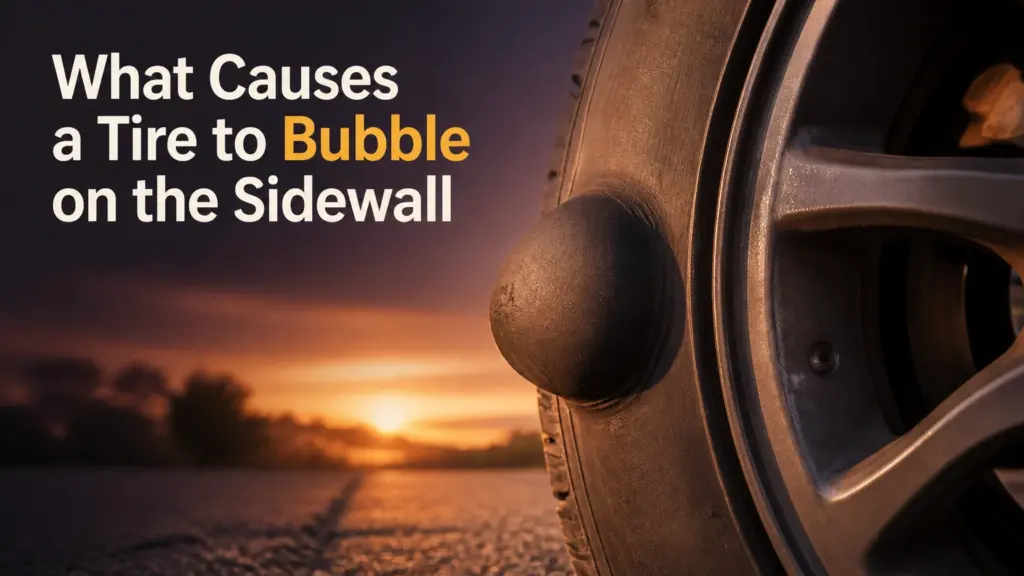
A tire sidewall bubble is caused by pressurized air escaping from the tire’s inner air-tight liner into its outer rubber layers through a tear in the internal fabric and cord plies. This structural breach occurs when hard impacts, under-inflation stress, or bead damage compromise the tire’s reinforcement layers, allowing internal pressure to push the rubber […]